Exploring the Future of Aluminum Casting Automation
Wiki Article
Just How Robotic Automation Boosts Effectiveness in Advanced Aluminum Foundries
Robotic automation is changing the landscape of advanced light weight aluminum foundries. By reducing manual intervention, these systems enhance efficiency across numerous production processes. Tasks such as mold handling and product transportation are structured, leading to considerable reductions in cycle times. The ramifications of this shift prolong beyond mere rate and price financial savings. As technology advancements, a closer assessment exposes deeper insights into the future of production in this field.The Duty of Robotics in Light Weight Aluminum Casting Processes
Robotics transform aluminum spreading procedures by improving effectiveness and precision. In modern foundries, robot systems automate different tasks such as mold handling, putting, and product transport, considerably reducing cycle times. By using sophisticated formulas and sensing units, robots can implement repeated tasks with unrivaled rate and uniformity, reducing human error and optimizing outcome.The integration of robotics enables seamless control in between different stages of the casting procedure. Automated systems can handle the flow of products, guaranteeing that parts are prepared for succeeding steps right away. This streamlining of operations not just heightens efficiency but likewise reduces labor expenses and the threat of workplace injuries.

Enhancing Precision and Quality Assurance
Accuracy in light weight aluminum shops is significantly boosted via the combination of automated systems that monitor and regulate numerous aspects of the spreading procedure. Aluminum Casting Company. These systems use innovative sensors and real-time data analytics to guarantee that each phase of manufacturing abides by strict specifications. Automated systems can adjust specifications such as material, pressure, and temperature level flow instantly, minimizing the chance of issues and guaranteeing uniformity in the last item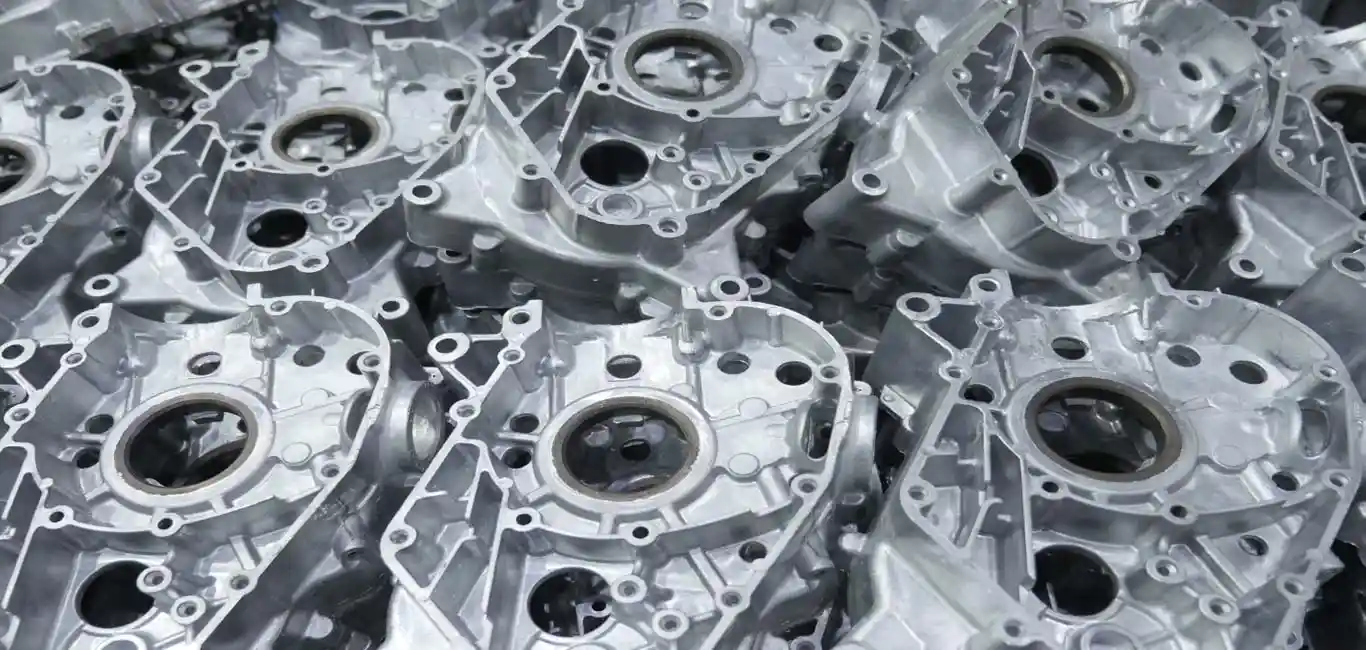
Reducing Labor Prices Through Automation
Automating procedures in aluminum shops considerably lowers labor prices by reducing the demand for manual treatment in time-consuming and repeated jobs. By executing robot systems, foundries can minimize the labor force needed for procedures such as molding, pouring, and completing. This change not only reduces benefits and wages but additionally mitigates expenses connected with worker, training, and hiring turn over.Moreover, automation improves efficiency, permitting devices to operate constantly with marginal downtime, which even more adds to set you back financial savings. As robots implement tasks with high precision and uniformity, the need for substantial high quality control procedures reduces, bring about additional savings.
The integration of automation also allows human employees to concentrate on even more complex and value-added activities, optimizing overall functional performance. As a result, the modification to robotic automation emerges as a strategic financial investment, making it possible for light weight aluminum foundries to remain affordable in a swiftly progressing market while considerably decreasing labor expenditures.
Streamlining Product Handling and Logistics
In the context of aluminum shops, improving material handling and logistics is crucial for boosting operational performance. Automated material transportation systems can significantly lower manual work, while supply administration optimization warranties that resources are made use of effectively. Additionally, real-time tracking solutions supply visibility into the supply chain, facilitating timely decision-making and lowering delays.Automated Material Transportation Systems
A significant advancement in light weight aluminum shops is the implementation of automated product transportation systems, which improve the performance of product handling and logistics. These systems utilize robot cars and conveyor belts to help with the smooth activity of resources and completed items throughout the manufacturing process. By lessening human treatment, they lower the risk of mishaps and errors, bring about safer workplace. Furthermore, automated transport systems optimize process by making certain prompt distribution of products to numerous handling terminals, inevitably raising performance. The assimilation of real-time monitoring modern technologies further enables precise monitoring of product circulation, making it possible for fast changes to functional demands. In general, these advancements notably simplify logistics, making certain that shops meet manufacturing targets with higher reliability.Inventory Administration Optimization
While traditional supply management in light weight aluminum foundries often deals with inefficiencies, the fostering of advanced optimization techniques substantially boosts product handling and logistics (Aluminum Casting). Automated systems streamline the flow of products, minimizing and minimizing lead times stock inconsistencies. By implementing just-in-time stock methods, factories can keep optimal supply levels, consequently lowering holding expenses and waste. Robotics also play an important role in arranging and relocating materials, making sure that components are easily available when needed. Furthermore, progressed analytics facilitate much better forecasting, enabling even more precise need preparation. This holistic technique to inventory monitoring not just improves productivity yet also contributes to an extra lasting procedure by reducing excess stock and improving source allotment within the foundry environmentReal-time Tracking Solutions
Reliable inventory monitoring sets the stage for the implementation of real-time monitoring solutions in aluminum foundries. These options take advantage of progressed modern technologies such as RFID and IoT sensors to monitor products throughout the production procedure. By providing exposure right into the location and condition of resources and completed items, real-time monitoring boosts decision-making and lessens delays. This proactive approach simplifies material handling and logistics, making certain that parts are available when required, consequently reducing waste and you can try this out enhancing operational performance. Furthermore, the information gathered can be examined to recognize bottlenecks and enhance process, resulting in constant enhancement in production processes. Eventually, real-time monitoring services add considerably to the general efficiency and responsiveness of aluminum shops in a significantly open market.Increasing Production Speed and Result
Robotic automation substantially improves manufacturing speed and result in aluminum factories, enabling streamlined operations and decreased cycle times. Aluminum Foundry. By incorporating robotics right into different stages of the production process, shops can accomplish greater throughput and effectiveness. Automated systems can operate continually, executing tasks such as spreading, machining, and completing with impressive precision and speedThe capacity to program robots for certain jobs enables shops to promptly adjust to changing manufacturing demands, thereby optimizing resource allocation. Additionally, robot systems can take care of numerous procedures concurrently, considerably enhancing the quantity of outcome without sacrificing quality. This efficiency leads to much shorter preparations and an extra receptive manufacturing environment.
As production rate increases, foundries can much better fulfill consumer demands and enhance their competitive edge out there. Subsequently, robotic automation plays a crucial function in driving the future of light weight aluminum shop procedures, eventually bring about raised success and sustainability.
Minimizing Human Mistake in Manufacturing
As hand-operated processes often present irregularity and inconsistencies, minimizing human mistake in producing comes to be crucial for aluminum shops going for peak effectiveness and quality. The combination of robotic automation considerably lowers the reliance on human operators, consequently reducing the probability of blunders. Robots continually perform tasks with high precision, making certain uniformity in aluminum casting processes.Furthermore, automation simplifies operations by systematizing procedures, which aids to eliminate the variances typically connected with hand-operated labor. By making use of sophisticated sensors and real-time monitoring, robot systems can detect anomalies and make modifications instantly, further minimizing the capacity for errors.
Training and oversight can still be vital, but the overall reliance on human treatment is reduced. This change not just enhances product quality however additionally adds to safer work environments by decreasing the threats linked with human mistake. Inevitably, robot automation brings about much more trustworthy production procedures in aluminum foundries.
Future Trends in Robot Automation for Foundries
The future of robot automation in aluminum factories is poised for substantial advancements. Improved accuracy and precision will certainly be attained via the combination of artificial knowledge technologies, enabling smarter and a lot more efficient procedures. In addition, the surge of collective robotics assures to change operations by making it possible for smooth communication in between equipments and human employees.Boosted Accuracy and Precision
site link While conventional methods in aluminum factories frequently deal with uniformity, innovations in automation innovation are paving the means for boosted precision and accuracy in manufacturing procedures. Robotic systems equipped with cutting edge sensors and control formulas can execute tasks with unmatched exactness, reducing human error and material waste. These automated options promote accurate dimensions and adjustments throughout casting, making certain that items fulfill strict requirements. In addition, the capability to duplicate processes with high integrity allows shops to keep top quality throughout big production runs. As these robotic systems become more incorporated into factory operations, they will greatly lower variability, bring about improved product integrity and customer complete satisfaction. Enhanced accuracy and precision therefore represent a vital trend in the future of robot automation in light weight aluminum factories.Combination of AI Technologies
Robot automation in light weight aluminum factories is readied to go through considerable improvement with the assimilation of artificial intelligence (AI) innovations. These developments will make it possible for robotics to learn from information, adjust to changing conditions, and optimize procedures in real-time. By implementing AI algorithms, shops can improve predictive maintenance, minimizing downtime and boosting general productivity. Additionally, AI can analyze production patterns, enabling far better source appropriation and waste reduction. The consolidation of machine understanding will certainly lead to smarter automation systems efficient in making self-governing decisions, further improving operations. Because of this, aluminum foundries will not only attain higher efficiency however additionally keep remarkable quality control, positioning themselves competitively in the swiftly evolving production landscape.Collaborative Robotics in Operations
As the demand for efficiency and adaptability in aluminum shops enhances, joint robotics is emerging as a crucial fad in operational automation. These advanced systems enable human drivers and robots to function side by side, enhancing productivity while preserving safety and security criteria. Collective robotics, or cobots, are developed to assist in jobs such as product handling, high quality examination, and setting up processes, efficiently minimizing manual work. Their adaptability allows quick reconfiguration for different tasks, making them perfect for the dynamic atmospheres of shops. In addition, with user-friendly user interfaces, drivers can conveniently set and manage cobots without considerable technical training. This combination of collaborative robotics not only simplifies operations but also fosters a much more reliable and receptive manufacturing procedure in aluminum shops.Frequently Asked Concerns
What Kinds of Robots Are Generally Made Use Of in Light Weight Aluminum Foundries?
Frequently utilized robots in aluminum shops include industrial robot arms for product handling, automated led automobiles for transportation, and collaborative robots for jobs calling Read Full Article for human communication, boosting safety and accuracy throughout the manufacturing process.Just How Much Preliminary Financial Investment Is Required for Robot Automation?
The first financial investment for robot automation in factories typically ranges from $100,000 to several million bucks, depending on variables such as equipment complexity, installment demands, and the range of automation desired for production processes.Can Robots Work Together With Person Workers in Foundries?
Yes, robotics can work alongside human employees in foundries. This cooperation improves performance, as robots carry out recurring jobs while human beings concentrate on complicated operations, bring about boosted safety and efficiency within the production setting.What Security Steps Are Executed With Robotic Systems?
Security actions for robotic systems include emergency situation quit buttons, security barriers, routine maintenance checks, programmable safety and security zones, and robust training programs for human employees to assure a protected interaction between people and robots in industrial settings.
Just How Does Robotic Automation Affect Environmental Sustainability in Foundries?
Robot automation boosts environmental sustainability in shops by decreasing power intake, lessening waste, and improving worldly efficiency. These systems maximize procedures, bring about reduced exhausts and a smaller sized ecological impact in light weight aluminum manufacturing.Robot automation is changing the landscape of sophisticated aluminum factories. Robotic automation substantially boosts manufacturing rate and outcome in light weight aluminum factories, allowing for structured procedures and minimized cycle times. The future of robot automation in light weight aluminum shops is positioned for substantial improvements. Robot automation in light weight aluminum factories is set to go through significant makeover with the assimilation of synthetic intelligence (AI) technologies. As the need for performance and adaptability in light weight aluminum factories raises, joint robotics is arising as an essential trend in functional automation.
Report this wiki page